
In Somalia, pregnant women face significant barriers that often delay access to care when they urgently need it. Most women have to give birth without the specialized medical support required to manage complications.
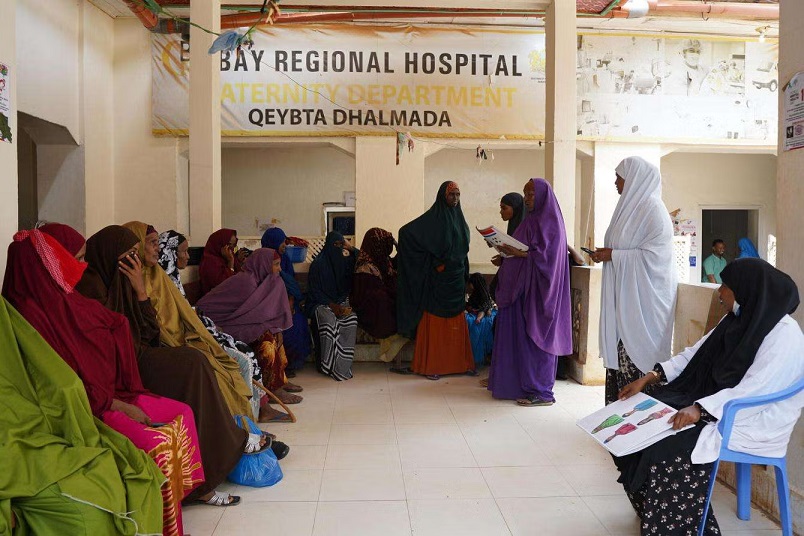
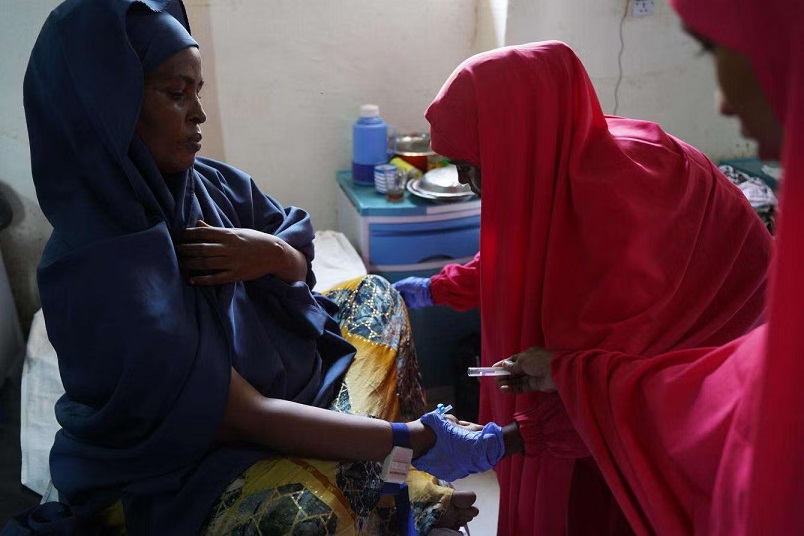
Doctors Without Borders/Médecins Sans Frontières (MSF) has been working at Bay Regional Hospital in Baidoa since 2017, providing a comprehensive full package of maternal and child health care including emergency obstetrics, prenatal and postnatal care, neonatal care, fistula repair, and specialized pediatric units. Recent funding cuts in humanitarian aid have triggered a catastrophic gap in services, and the pressure on facilities that remain functional is immense.
Shaheen BiBi, an MSF midwife activity manager at the Bay Regional Hospital, shares her experience treating women who make the journey seeking care.
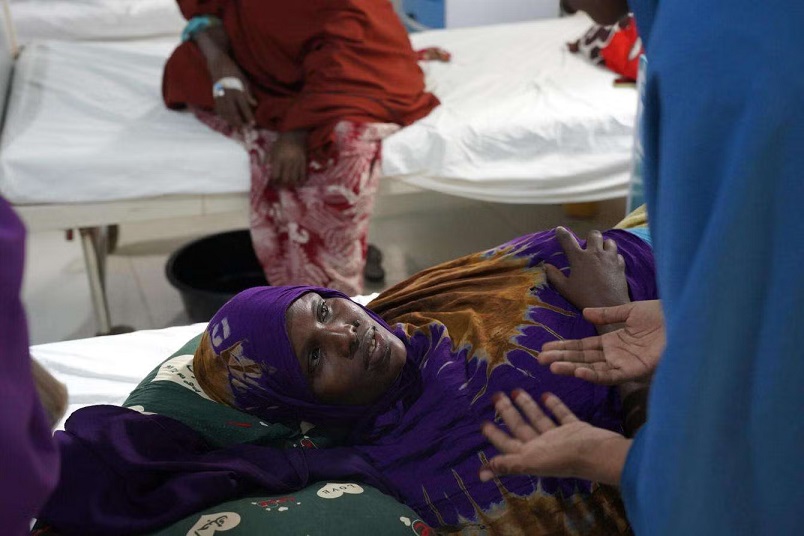
She was carried in on a makeshift stretcher as the afternoon sun scorched the roof of our maternity ward. For two days, her family and a traditional birth attendant had tried everything they knew to help her deliver. Only when she began to bleed heavily did her husband decide to bring her to the MSF-supported Bay Regional Hospital.
By the time she reached us, she was unconscious. We did everything we could. Her baby made it, but she didn’t. She died a day later.
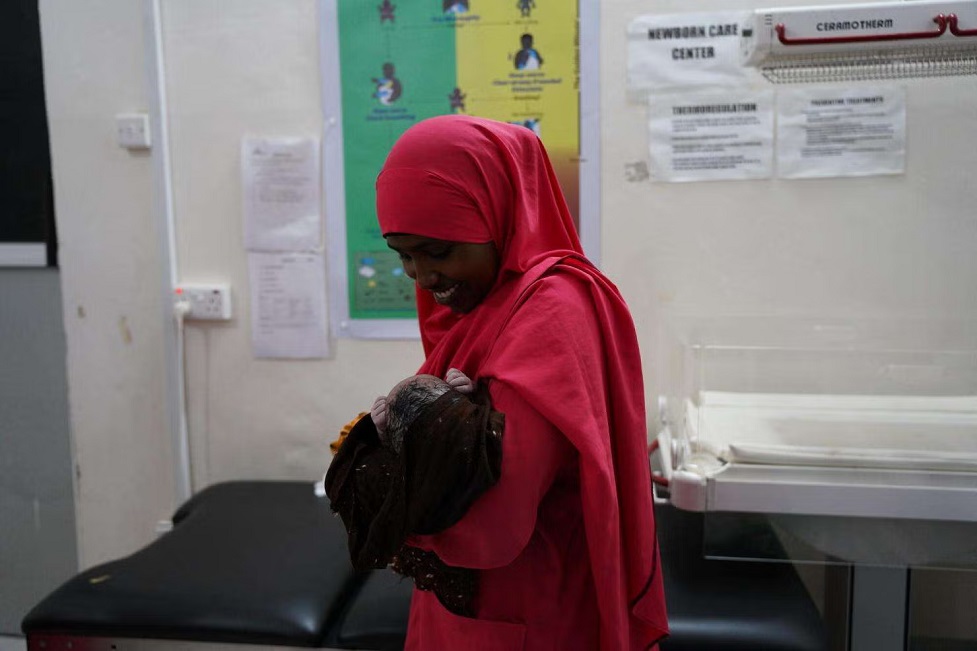
The cry of a newborn in any maternity ward is a sound of hope. We must ensure that more mothers and babies in Somalia can hear it.
Each day, I see what happens when women cannot reach care in time. It is not because they do not want to come. It is because the journey, both the physical one and the one shaped by decisions made by others, is long and difficult.
In Somalia, families often try to manage childbirth at home first. This is what they know. This is what their mothers and grandmothers did. They call on traditional birth attendants, women in the community who have helped many mothers deliver. But when something goes wrong, when the bleeding does not stop or when the baby does not come, the family must make a choice. They must decide to make the journey to the hospital
Costly transportation and inhospitable roads make seeking care difficult
This journey is not easy. Around 70 percent of the women we treat come from outside Baidoa town. Some travel 20 miles or more. In this region, 20 miles can take a whole day. The roads are rough. Insecurity and checkpoints slow the way. And for many families, there is the cost of transport — a cost they may not be able to afford.
Aid cuts are putting vital care at risk
Somalia has one of the highest maternal mortality rates in the world, around 563 deaths for every 100,000 live births. Only about 1 in 3 births is attended by a skilled health worker. There are only 1.5 midwives for every 10,000 people . What this means is simple: Too many women give birth alone, or with help that cannot manage when complications arise.
The World Health Organization warns that more than 600 health facilities across the country could shut down. When that happens, women will have to travel even further, and some will not make it.
What worries me now is that the few services that exist are at risk. Somalia’s health system depends almost entirely on external support. Recent funding cuts have already forced some health centers to close. The World Health Organization warns that more than 600 health facilities across the country could shut down. When that happens, women will have to travel even further, and some will not make it.
Baidoa is home to more than 700,000 people who have fled drought and conflict. They live in camps, far from their homes. The pressure on the hospital supported by us is enormous. Every day, we see women who have walked or traveled for hours while bleeding, or who arrive too late for us to save their babies.
Still, we are here. In 2025, our team at Bay Regional Hospital assisted close to 4,000 births. We treated 19,000 children for malnutrition. We provided tens of thousands of consultations, free of charge. Each number is a life: a mother who survived, a baby who took their first breath, a child who recovered.
Deadly delays
Sometimes, even after a woman reaches us, we face difficult moments. When surgery or blood transfusion is needed, family members must give their approval. This can take time. Families want to do what is best, but they may not fully understand the urgency. They may be afraid or have misconceptions. We explain, we counsel, we wait. Sometimes, we wait too long.
What Somalia needs is not complicated, but it requires commitment: more midwives and health workers, trained and deployed to communities so women have support close to home; roads and ambulances that work, so the journey to hospital does not take a day; health centers that stay open, funded, and staffed.
Every mother has the right to give birth safely. Every baby has the right to take their first breath. The cry of a newborn in any maternity ward is a sound of hope. We must ensure that more mothers and babies in Somalia can hear it.
doctorswithoutborders.org